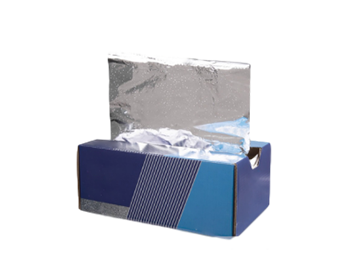
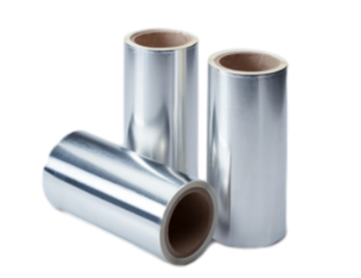
When sourcing aluminum foil rolls, thickness is one of the most important factors affecting product performance, pricing, and customer satisfaction.
In the global market, aluminum foil rolls are typically divided into three categories based on thickness:
- Economic
- Standard
- Heavy Duty
Understanding these categories helps wholesalers and distributors build a clear product structure and choose the right products for different customer segments.
What Does Aluminum Foil Thickness Mean?
Aluminum foil thickness is measured in microns (μm):
1 micron = 0.001 mm
Thickness directly affects:
- Strength and durability
- Tear resistance
- Heat performance
- Product positioning
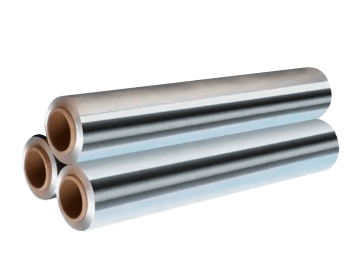
For aluminum foil rolls, the commonly used thickness range is 9–25 microns, covering both household and catering applications.
Aluminum Foil Thickness Classification (Clear Range)
To avoid confusion in product positioning, aluminum foil rolls can be clearly divided into the following ranges:
- Economic: 9–11 microns
- Standard: 12–17 microns
- Heavy Duty: 18–25 microns
This non-overlapping classification allows buyers to quickly understand performance differences and pricing levels.
- Economic foil focuses on cost efficiency
- Standard foil covers most daily applications
- Heavy duty foil is designed for high-strength use
Economic Aluminum Foil (9–11 Microns)
Economic foil is designed for cost-sensitive markets and high-volume distribution.
Applications:
- Food wrapping
- Sandwiches and snacks
- Basic kitchen use
Features:
- Low cost
- High flexibility
- Easier to tear
Best for:
- Price-driven markets
- Discount retail
- Large-volume sales
Standard Aluminum Foil (12–17 Microns)
Standard foil is the most widely used thickness range in the global market.
Applications:
- Daily cooking
- Food storage
- Light oven use
Features:
- Balanced strength and flexibility
- Stable performance
- Suitable for most household needs
Best for:
- Supermarkets
- Mainstream retail
- General household use
Heavy Duty Aluminum Foil (18–25 Microns)
Heavy duty foil is designed for stronger performance and premium positioning.
Applications:
- BBQ and grilling
- Wrapping meat or heavy food
- Oven cooking
Features:
- High strength
- Strong tear resistance
- Better heat resistance
Best for:
- High-end markets
- BBQ users
- Premium product lines
Catering Foil Roll Thickness
For catering and foodservice applications, aluminum foil rolls are typically thicker and wider.
Typical thickness range:
11–20 microns
Professional users often prefer thicker foil to reduce tearing during frequent use.
Best-Selling Aluminum Foil Thickness Combinations
For wholesalers and distributors, offering the right thickness combination is more effective than selling a single product.
A structured product line helps you cover different customer segments, improve margins, and increase repeat orders.
Standard + Heavy Duty (Recommended)
Combination:
- 12–17 microns
- 18–25 microns
Why it works:
- Covers both daily use and high-performance needs
- Creates a clear “mainstream + premium” structure
- Improves overall profit margins
Best for:
- Supermarkets
- Chain stores
- Developed markets
Economic + Standard (Volume Strategy)
Combination:
- 9–11 microns
- 12–17 microns
Why it works:
- Attracts price-sensitive customers
- Maintains acceptable quality
- Increases total sales volume
Best for:
- Price-driven markets
- High-volume distributors
Full Range Strategy (Recommended for Growth)
Combination:
- 9–11 microns
- 12–17 microns
- 18–25 microns
Why it works:
- Covers all customer segments
- Enables flexible pricing
- Builds a complete product portfolio
How to Choose the Right Thickness
1. Understand Your Market
- Price-sensitive → Economic
- Mainstream → Standard
- Premium → Heavy Duty
2. Define Your Product Strategy
Start with:
- Standard as your core product
- Heavy duty for higher margins
- Add economic foil if needed for volume.
3. Avoid Common Mistakes
Choosing foil based only on price can lead to:
- Easy tearing
- Poor user experience
- Customer complaints
Aluminum foil roll thickness is not just a technical specification—it directly affects your product positioning and sales performance.
- Economic foil supports cost-driven markets
- Standard foil covers most daily applications
- Heavy duty foil delivers premium performance
A clear thickness structure helps wholesalers and distributors improve both sales and profitability.
FAQ: Aluminum Foil Roll Thickness
What is the most common aluminum foil thickness?
The most commonly used thickness is 12–15 microns, which falls within the standard category and covers most household applications.
Is thicker aluminum foil always better?
Not necessarily. Thicker foil provides better strength and tear resistance, but it also costs more. The best choice depends on your application and target market.
What thickness is best for BBQ?
For BBQ and grilling, 18–25 microns (heavy duty foil) is recommended because it offers higher strength and better heat resistance.
What thickness is used for household aluminum foil?
Most household aluminum foil falls within 10–15 microns, with standard foil (12–15 microns) being the most popular.
What is the difference between household foil and catering foil?
Household foil is usually thinner and designed for daily use, while catering foil is typically thicker, wider, and used in professional kitchens.
How do I choose the right thickness for my market?
You should consider:
- Customer price sensitivity
- Usage scenarios
- Sales channels
Most successful buyers choose a combination of standard and heavy duty foil to balance volume and profit.
Looking for a Reliable Aluminum Foil Supplier?
At Eming, we provide:
- Full thickness range from 9 to 25 microns
- Household and catering foil rolls
- OEM & private label support
- Stable supply for global markets
Contact us today to get professional recommendations tailored to your market.
Email: inquiry@emingfoil.com
WhatsApp: +86 17729770866