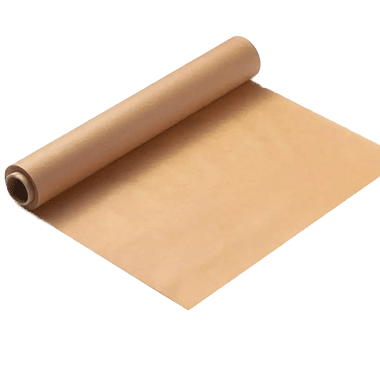
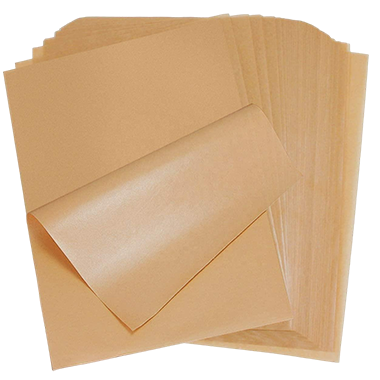
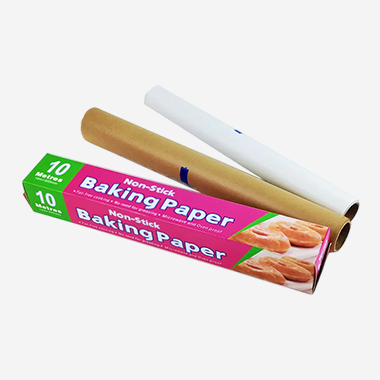
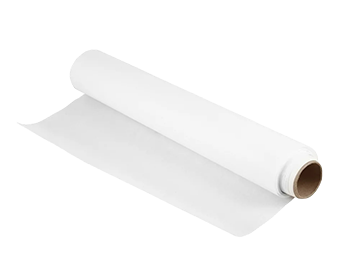
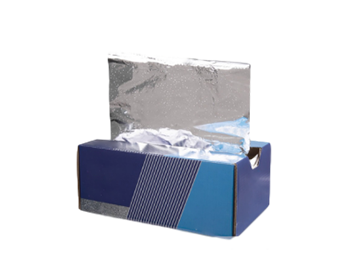
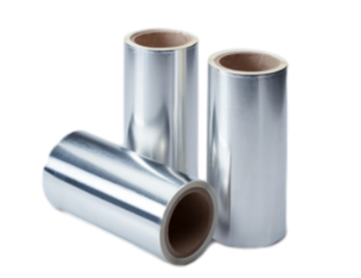
When overseas buyers search for a baking paper manufacturer or baking paper supplier, the questions they ask are often very similar.
Beyond price, most buyers care about whether the paper for baking can perform consistently, meet food safety requirements, and support long-term supply.
From a factory perspective, here are the most common questions we receive when buyers source baking paper for baking and food service applications.
Is baking paper from different suppliers basically the same?
This is one of the most common misconceptions when sourcing parchment paper for baking.
Although baking paper may look similar, its actual performance depends on:
- The quality of the base paper
- Silicone coating weight and uniformity
- Heat resistance during high-temperature baking
From a manufacturing standpoint, stable raw materials and controlled coating processes are essential for producing baking paper that performs reliably in real baking and food service environments.
How do buyers choose the right paper for baking?
There is no universal “standard thickness” for baking paper.
For example:
- Food service baking paper often requires higher strength and better heat resistance
- Wholesale or industrial baking may require thicker paper to handle repeated use
A professional baking paper supplier should recommend specifications based on application, baking temperature, and usage frequency—not just offer a single option.
What does OEM baking paper actually include?
OEM baking paper goes far beyond logo printing.
From a factory point of view, OEM options may include:
- Customized roll width, sheet size, or interfolded format
- Inner core and outer packaging design
- Carton size optimized for wholesale distribution or food service storage
Clear OEM communication helps buyers ensure the final product matches their market positioning and sales channels.
Why do baking paper prices vary so much between manufacturers?
Price differences usually reflect material selection and production standards, not just profit margins.
Lower-priced baking paper may use:
- Lower-grade base paper
- Reduced silicone coating weight
- Less strict quality inspection
From a baking paper manufacturer’s perspective, stable quality and batch consistency require controlled production costs, especially for buyers who need a long-term supply.
How do factories ensure quality consistency for parchment paper for baking?
Consistency is one of the top concerns for wholesalers and food service buyers.
Professional baking paper manufacturers rely on:
- Fixed raw material standards
- Standardized coating parameters
- In-process and final quality checks
- Batch traceability systems
These measures help ensure that paper for baking performs the same across multiple orders.
What affects lead time when ordering baking paper?
Lead time depends on:
- Order quantity
- Customization level
- Packaging and printing requirements
Standard baking paper specifications usually allow for more stable production schedules, while customized OEM baking paper requires additional coordination.
Working directly with a baking paper supplier helps buyers get clearer timelines and better production planning support.
Conclusion
When sourcing baking paper, overseas buyers are not only purchasing a product—they are choosing a manufacturer capable of long-term cooperation.
Understanding how baking paper is produced, customized, and controlled helps buyers select the right baking paper manufacturer for wholesale, food service, and industrial baking needs.
As a professional baking paper manufacturer, we focus on producing stable, food-safe paper for baking with flexible OEM solutions.
If you are looking for a reliable baking paper supplier for wholesale or food service markets, working directly with a factory can simplify sourcing and improve long-term consistency.

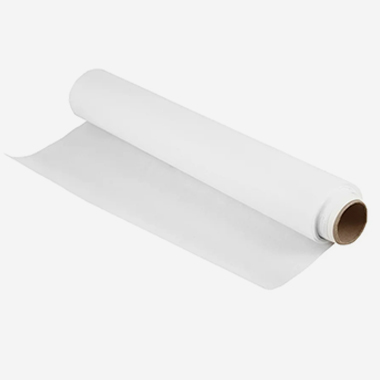
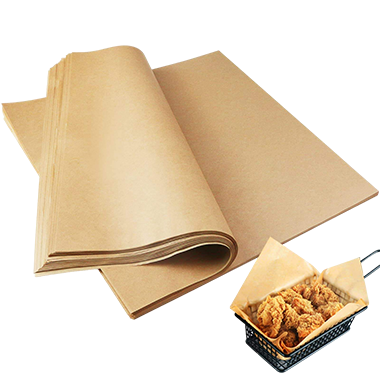
.png)