Food packaging importers and distributors need more than a collection of popular products to build a profitable business. A well-planned product portfolio helps businesses serve different customer segments, manage inventory, control purchasing costs, and create more opportunities for repeat orders.
For importers sourcing aluminum foil rolls, aluminum foil containers, baking paper, and other food packaging products, the key is to select complementary products that match their existing customers and distribution capabilities. Instead of expanding the product range as quickly as possible, importers should focus on building a balanced portfolio that supports sustainable business growth.
Before introducing new products, importers should understand what their current customers actually need.
Different customer segments have different purchasing priorities. Supermarket suppliers may focus on retail packaging, product presentation, and consistent replenishment. Foodservice distributors may prioritize practical packaging formats, reliable supply, and competitive purchasing costs. Wholesale customers may need a combination of products to serve multiple downstream buyers.
Importers can begin by reviewing their existing customer orders and identifying common purchasing patterns.
Useful questions include:
Which products do customers reorder most frequently?
Are customers purchasing similar products from multiple suppliers?
Which product categories are frequently requested together?
Are there products that customers currently struggle to source reliably?
These questions help importers identify opportunities that are supported by actual demand rather than assumptions about market trends.
A profitable product portfolio should contain products with different commercial roles.
Core products are the main items that generate regular orders and support the business's established customer relationships.
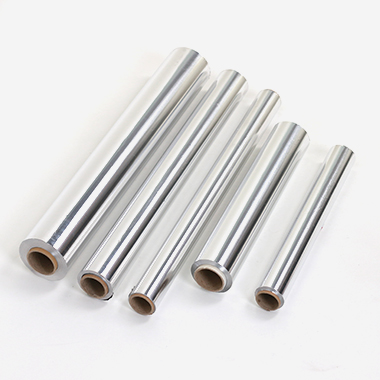
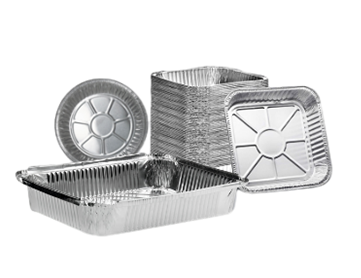
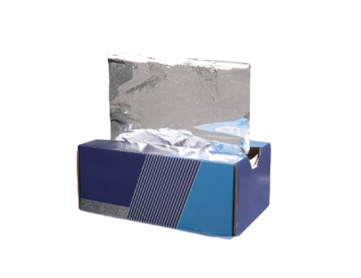
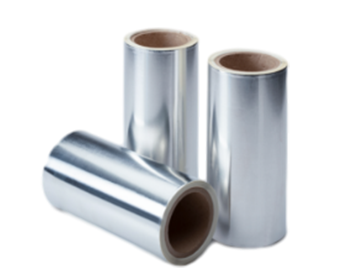
For a food packaging distributor, these may include household aluminum foil rolls or commonly used aluminum foil containers.
Importers should prioritize consistent specifications, dependable supply, and sufficient inventory planning for these products.
Complementary products serve related customer needs and can help distributors offer a more complete product range.
For example, an importer already supplying aluminum foil containers may consider whether its customers also purchase household aluminum foil rolls or baking paper.
The objective is not simply to sell more products. It is to identify products that fit naturally into the existing distribution network and can be supplied efficiently.
Specialized products serve more specific customer requirements, such as particular container shapes, customized packaging, or selected product formats.
These products may help distributors differentiate their offerings, but they should be evaluated carefully before large-volume purchasing.
A practical approach is to maintain a focused core range, add complementary products where demand is evident, and introduce specialized products through customer inquiries or sample testing.
A product that is popular in one market may not have the same sales potential in another.
Importers should evaluate demand according to their own customer base, distribution channels, and target markets.
For example, household aluminum foil rolls may be sold through supermarkets, wholesalers, and retail packaging suppliers. Aluminum foil containers may be distributed through food packaging wholesalers and catering supply channels. Baking paper may serve customers supplying supermarkets, bakeries, and foodservice businesses.
These channels can overlap, but their purchasing requirements are not necessarily identical.
Before adding a product, importers should consider:
Existing customer inquiries and purchasing history
The product formats commonly requested by their market
The availability of suitable packaging and labeling options
The level of competition among local distributors
Whether the product can be sold through existing channels
Where demand is uncertain, a small-scale trial or sample evaluation may provide more useful information than immediately committing to a large order.
Managing several product categories introduces additional inventory and purchasing challenges.
Different products may have different minimum order quantities, production lead times, carton dimensions, and storage requirements. A product with an attractive unit price may still create unnecessary costs if it requires excessive inventory or occupies valuable warehouse space.
Importers should therefore evaluate the total purchasing and distribution cost of each product.
This includes the purchase price, international freight, customs-related costs, warehousing, inventory financing, and the potential cost of unsold stock.
A useful starting point is to classify products according to their sales frequency and inventory requirements.
| Product role | Inventory approach |
|---|---|
| Regularly reordered core products | Maintain inventory based on sales history and replenishment lead time |
| Complementary products with established demand | Coordinate purchasing with related products where practical |
| New or specialized products | Start with a controlled quantity and review actual sales performance |
The appropriate inventory level depends on the product, market, and business model. Importers should avoid applying the same stocking strategy to every product category.
A broader product portfolio also requires more coordination with suppliers.
Before placing orders, importers should confirm product specifications, minimum order quantities, production lead times, packaging requirements, and shipment arrangements.
For customized products, additional considerations may include artwork approval, printing requirements, mold costs, and sample confirmation.
When sourcing multiple products from one manufacturer, importers can also evaluate whether production and shipment schedules can be coordinated. This may simplify purchasing administration and improve planning, although the actual benefit depends on the supplier's production arrangements and shipping conditions.
A reliable supplier should be able to provide clear product specifications, communicate production schedules, and explain the requirements for repeat orders.
Importers should also establish a process for reviewing product quality and resolving specification changes before expanding the range.
A product portfolio should be evaluated according to its contribution to the overall business, not just its sales volume.
Importers can review several indicators:
Sales frequency: How often do customers reorder the product?
Gross margin: Does the product generate an acceptable margin after purchasing and distribution costs?
Inventory turnover: How quickly does the stock move through the business?
Customer overlap: Does the product serve existing customers or require a completely new sales channel?
Operational complexity: Does the product introduce additional storage, packaging, or supplier-management requirements?
A product with moderate sales volume may still be valuable if it supports regular orders from existing customers and requires little additional inventory. Conversely, a high-volume product may create problems if it ties up excessive working capital or generates frequent quality issues.
Regular portfolio reviews help importers identify which products deserve more attention and which should be reconsidered.
A practical product expansion process begins with a clear business objective.
Importers can identify a customer need, select a suitable product, evaluate supplier capabilities, and test the product through a limited order or selected customer group.
After the initial sales period, the business can review customer feedback, reorder frequency, inventory performance, and overall profitability.
Products that demonstrate consistent demand can become part of the regular portfolio. Products that do not meet expectations can be adjusted or discontinued before they create unnecessary inventory pressure.
This gradual approach allows importers to develop their product range while maintaining control over purchasing commitments and operational complexity.
The appropriate product range depends on the importer's customers and distribution channels. Common categories may include household aluminum foil rolls, aluminum foil containers, baking paper, and other food packaging products. Importers should prioritize products that match established customer demand.
Sourcing complementary products from one manufacturer may simplify supplier communication and purchasing coordination. However, importers should still evaluate product quality, specifications, pricing, production capacity, and delivery performance for each category.
Importers can begin with a limited order, test demand among existing customers, and review sales performance before increasing purchasing quantities. Inventory decisions should also account for minimum order quantities and replenishment lead times.
A regular review is useful, particularly when customer demand, purchasing costs, or market conditions change. The review frequency should reflect the business's sales cycle and inventory turnover.
Building a profitable food packaging product portfolio is a process of selecting the right products, serving the right customers, and managing purchasing commitments carefully.
For importers and distributors, the most effective strategy is often to strengthen core products first, introduce complementary products where demand is clear, and expand gradually based on actual sales performance.
A focused product portfolio can help businesses improve purchasing efficiency, support repeat orders, and build stronger relationships with both customers and suppliers.
Food packaging manufacturers such as Eming can support this process by providing product specifications, samples, and customized packaging options for importers evaluating new product opportunities.