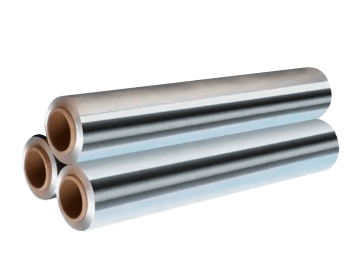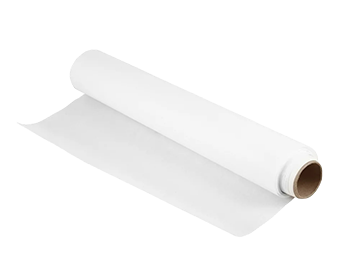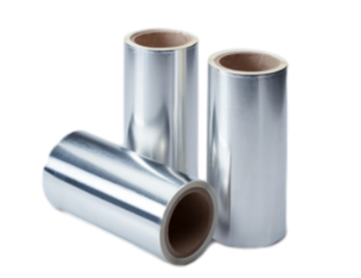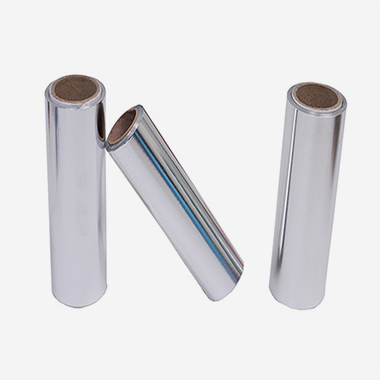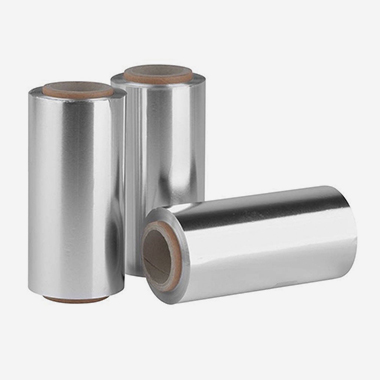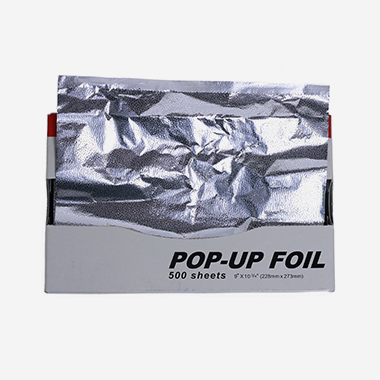
Hairdressing foil may look like a simple aluminum foil product, but the right specification can make a significant difference in handling, cutting, folding, application efficiency, and overall cost.
For professional salons, distributors, and private-label hairdressing brands, choosing hairdressing foil is therefore not simply a matter of selecting the thickest or longest option. Thickness, width, roll length, surface finish, and product format should all match the intended application and purchasing requirements.
This guide explains the key specifications buyers should consider when sourcing aluminum foil for professional hair coloring and salon use.
Thickness is one of the first specifications buyers should determine when sourcing hairdressing foil.
Common options may include 12 micron, 15 micron, 18 micron, and other customized thicknesses. The right choice depends on the balance between flexibility, handling, tear resistance, material consumption, and cost.
12 micron foil is a lightweight option that offers good flexibility and easy handling.
It suits buyers who prioritize lightweight material and efficient material usage. Its flexibility also makes it convenient to fold and shape during salon applications.
However, thinner foil generally requires more careful handling than heavier-gauge foil.
15 micron is a practical middle-ground option for buyers looking for a balance between flexibility and strength.
Compared with thinner foil, it provides a more robust feel while remaining relatively easy to handle and fold.
For distributors and professional users who want a versatile specification rather than an extremely lightweight or heavy-duty product, this thickness can be worth considering.
18 micron foil provides additional material thickness and can offer greater resistance to tearing during handling.
It may be preferred by professional users who want a stronger foil with a more substantial feel during application.
The trade-off is that thicker foil uses more aluminum per square meter, which can affect product weight and overall material cost.
Not necessarily.
A thicker foil is not automatically a better foil. The most suitable thickness depends on how the product will be handled, the preferences of the hairstylist, the target market, and the buyer's cost requirements.
The objective should be to find the right balance between performance and cost rather than simply choosing the maximum thickness available.
Width is another important specification that directly affects how much foil can be handled during a coloring application.
Different salons and hairstylists may prefer different widths depending on their working habits, hair length, coloring technique, and folding method.
Narrower foil can be easier to manage in certain applications, while wider foil provides more coverage and may be preferred for larger sections of hair.
There is no single width that is ideal for every salon.
Instead, buyers should consider:
The typical hair length of their customers
The size of sections used during coloring
Folding and application habits
The desired coverage area
Ease of handling
Packaging and storage requirements
For distributors and private-label brands, offering more than one width can also help serve different customer segments.
Yes. Width is one of the specifications that can often be customized according to the buyer's requirements.
For private-label brands and professional salon suppliers, customized dimensions can help create a product specifically designed for a target market or application.
Roll length determines how much foil is available before the roll needs to be replaced.
A shorter roll can be convenient for smaller salons or lower-volume applications, while longer rolls may be more suitable for high-volume professional use.
However, the longest roll is not necessarily the most economical choice.
Buyers should consider:
Expected salon usage
Frequency of roll replacement
Storage space
Packaging dimensions
Shipping efficiency
Cost per meter
Cost per application
For professional users, it can be more useful to compare the effective cost per meter or per application rather than simply comparing the total length of different rolls.
One of the most important format decisions is whether to purchase hairdressing foil in rolls or as pre-cut sheets.
Rolls provide flexibility because users can cut the foil according to their preferred length.
Key advantages include:
Flexible cutting length
Suitable for different applications
Efficient for high-volume use
Less dependence on fixed sheet dimensions
Suitable for professional salons with established working methods
For salons that use different foil sizes depending on the application, rolls can provide greater flexibility.
Pre-cut sheets are supplied in a predetermined size and are ready to use.
Their advantages can include:
Consistent sheet dimensions
Faster preparation
Easy handling
Convenient inventory management
Consistent workflow for salon staff
Pre-cut sheets can be particularly attractive to users who prioritize convenience and standardized working procedures.
Neither format is universally better.
A high-volume salon that frequently uses different foil lengths may prefer rolls, while a salon that values ready-to-use products may prefer pre-cut sheets.
Distributors and private-label brands can also evaluate both formats according to their target customers and market positioning.
Surface design is another specification worth considering.
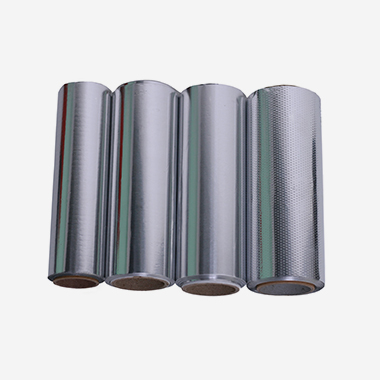
Hairdressing foil can be supplied with either a smooth surface or an embossed texture.
Smooth foil has a flat surface and provides a straightforward, traditional format for professional hair coloring applications.
It can be a suitable choice for buyers who prioritize a simple product structure and familiar handling characteristics.
Embossed foil has a textured surface created through a specialized embossing process.
The texture can influence the way the foil feels and behaves during handling.
Some professional hairstylists prefer embossed foil because of its particular handling characteristics, while others prefer the familiarity of smooth foil.
The choice is often based on stylist preference, working technique, and market expectations rather than one format being universally superior.
Thickness, width, length, and format are important, but they are not the only factors that determine product quality.
The aluminum alloy can influence the material's mechanical properties and processing characteristics.
Depending on the manufacturer's product range and application requirements, hairdressing foil may be produced using different aluminum foil grades.
Buyers should therefore request the specific alloy and material specification rather than evaluating a product based only on its appearance.
The temper of aluminum foil affects characteristics such as flexibility and handling.
For hairdressing applications, the foil needs to be flexible enough for folding and positioning while providing sufficient strength for normal handling.
Cutting performance is particularly important in a salon environment.
If foil is difficult to cut or tears unpredictably, it can slow down the hairstylist's workflow.
Buyers should therefore evaluate whether the product provides clean and convenient cutting or tearing according to the intended format.
Packaging should also be considered, particularly for distributors and private-label brands.
Possible formats include:
Individual boxes
Dispenser boxes
Roll packaging
Pre-cut sheet packaging
Customized printed packaging
Good packaging should protect the foil during transportation and storage while making the product convenient for the end user.
The ideal specification can vary significantly depending on who is purchasing the product.
Salons should focus primarily on:
Handling
Flexibility
Cutting performance
Consistent quality
Suitable dimensions
Ease of daily use
A salon using large quantities of foil should also consider roll length and replacement frequency.
Distributors need to look beyond product performance.
Important considerations may include:
Product variety
Packaging
Roll length
Shipping efficiency
MOQ
Market demand
Product consistency
Offering several specifications can allow distributors to serve different salon segments.
Private-label buyers typically have more customization requirements.
They may need:
Customized thickness
Customized width
Customized roll length
Smooth or embossed foil
Pre-cut sheets
Customized packaging
Logo printing
OEM/ODM production
For these buyers, the supplier's ability to maintain consistent specifications across large production runs is just as important as the initial product sample.
Before requesting a quotation, buyers can prepare the following information to make the sourcing process faster and more accurate.
Thickness:
Specify the preferred thickness, such as 12, 15, or 18 micron, or request a recommendation based on your application.
Width:
Specify the required foil width.
Roll Length:
Indicate the required meters per roll.
Format:
Choose between rolls and pre-cut sheets.
Surface:
Specify smooth or embossed foil.
Packaging:
Choose standard packaging or customized private-label packaging.
Quantity:
Provide the estimated order quantity.
Customization:
Specify requirements for logo printing, box design, dimensions, or other OEM/ODM options.
Providing these specifications in advance allows the manufacturer to recommend a more suitable product and prepare a more accurate quotation.
Choosing the right hairdressing foil is about finding the right combination of specifications rather than selecting a single "best" product.
Thickness affects the balance between material usage, flexibility, and strength. Width and roll length influence handling and efficiency, while the choice between rolls and pre-cut sheets depends on the working preferences. Smooth and embossed surfaces provide different handling characteristics, and packaging becomes especially important for distributors and private-label brands.
For professional salons, distributors, and hairdressing brands, the best approach is to select specifications based on actual application requirements, target customers, and purchasing goals.
Eming Aluminium supplies hairdressing foil in different thicknesses, widths, lengths, and formats, including smooth and embossed options, rolls and pre-cut sheets, as well as customized packaging for OEM and private-label projects. Contact us to discuss your required specifications and product requirements.
What thickness of aluminum foil is best for hairdressing?
There is no single thickness that is best for every hairdressing application. Common options such as 12, 15, and 18 micron provide different balances of flexibility, strength, material usage, and cost. The right thickness should be selected based on the handling preferences, application requirements, and target price.
What is the difference between hairdressing foil rolls and pre-cut foil sheets?
Hairdressing foil rolls allow users to cut the foil to the required length, making them flexible for different salon applications. Pre-cut foil sheets have standardized dimensions and are ready to use, which can save preparation time. The better option depends on the workflow, usage volume, and preference for flexibility or convenience.
Should I choose smooth or embossed hairdressing foil?
Smooth and embossed hairdressing foils have different surface characteristics, but neither is universally better. Smooth foil provides a flat surface and familiar handling, while embossed foil has a textured surface that some hairstylists prefer for its handling characteristics. The choice should be based on stylist preference, working technique, and market demand.
What specifications should I provide when buying hairdressing foil?
When requesting a quotation, buyers should provide the preferred foil thickness, width, roll length, format, surface type, packaging, order quantity, and customization requirements. For private-label projects, buyers should also specify logo printing, packaging design, and any customized dimensions.
Can hairdressing foil be customized for private-label brands?
Yes. Hairdressing foil can be customized according to the manufacturer's capabilities and project requirements. Common customization options include thickness, width, roll length, smooth or embossed surface, pre-cut sheet dimensions, packaging, and logo printing. OEM and private-label buyers should confirm specifications and minimum order quantities with the manufacturer before production.