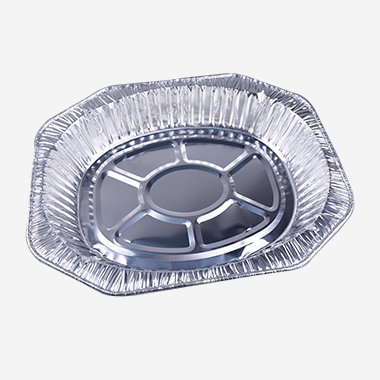
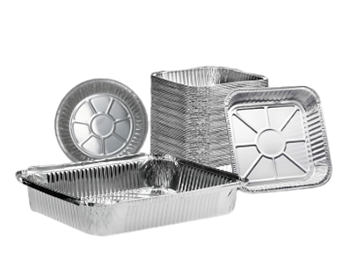
In the European food service industry, reliable kitchen consumables are essential for maintaining efficiency, hygiene, and consistent food quality. Among these consumables, heavy-duty aluminum foil rolls play a crucial role in professional kitchens, catering operations, and restaurant supply chains.
One specification frequently seen in catering catalogs is heavy-duty foil 440mm x 70m. Although it is not a universal size in every market, this specification appears regularly in European catering supply channels. Its combination of wide coverage and practical roll length makes it particularly suitable for professional kitchens that require durable foil for cooking, wrapping, and food storage.
For distributors and food service suppliers, understanding the market demand and applications of this specification is essential when sourcing aluminum foil products from manufacturers.
What is Heavy Duty Foil 440mm x 70m
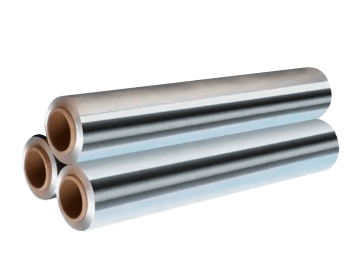
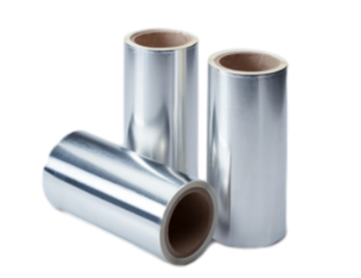
Heavy-duty foil 440mm x 70m refers to an aluminum foil roll with a width of 440 millimeters and a total length of 70 meters. Compared with standard household foil, heavy-duty foil is manufactured with a thicker gauge, providing improved strength and tear resistance.
This specification is designed primarily for commercial kitchens and catering businesses, where foil must handle heavier food items and higher temperatures.
Typical characteristics include:
- Stronger thickness than household foil
- Better resistance to punctures and tearing
- Suitable for grilling, roasting, and food wrapping
- Reliable performance in professional kitchen environments
Because of its width, a 440mm foil roll can easily cover large trays, baking pans, or food containers, making it a practical tool for busy kitchens.
Why 440mm Aluminium Foil Is Popular in the European Catering Market
The European catering supply market has its own standardized packaging formats that differ slightly from those found in North America or Asia.
Many restaurant supply distributors in Europe offer aluminum foil rolls designed specifically for professional kitchens. These rolls typically fall into the category known as catering foil rolls.
The 440mm width fits well within this product category because it provides a balance between coverage and ease of handling. It is wide enough to cover larger trays while still being manageable for kitchen staff during food preparation.
Several factors explain the popularity of this specification in European markets:
First, the width is suitable for standard catering trays and roasting pans used in restaurants and catering services.
Second, the 70-meter roll length offers practical usage for commercial kitchens. It provides enough foil for daily operations without producing excessively large rolls that become difficult to store or dispense.
Third, many European distributors have adopted this size as part of their private label catering packaging lines, making it a recognizable specification within the industry.
Typical Thickness of Heavy Duty Catering Foil Rolls
Heavy duty aluminum foil differs from standard household foil primarily in its thickness. A thicker gauge provides greater durability, allowing the foil to withstand higher heat and heavier food loads.
Common thickness ranges include:
Approximately 9–11 micron
Approximately 15–18 micron
Approximately 20–25 micron
For the 440mm x 70m specification, the most common thickness used by catering suppliers is usually 16 micron or 18 micron. This thickness offers an optimal balance between strength and flexibility.
It allows the foil to maintain its structure during cooking while still being easy to fold and wrap around food.
Applications in Restaurants, Catering and Food Service
Heavy duty aluminum foil rolls are widely used across different segments of the food service industry.
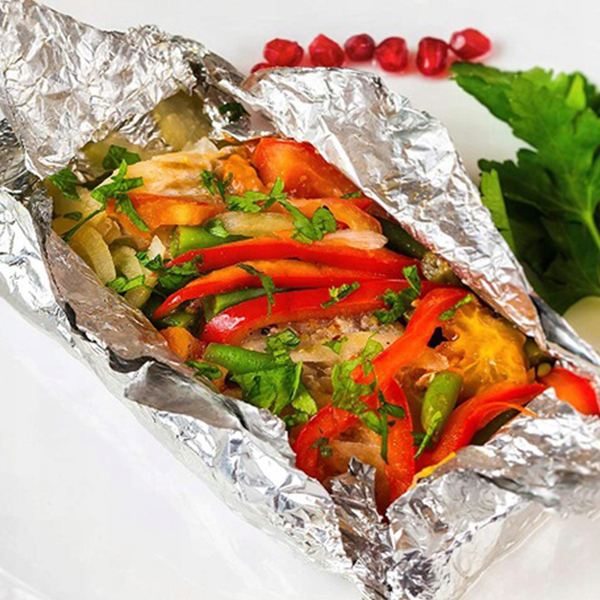
Restaurants rely on foil for a variety of daily tasks. It can be used to cover trays during oven cooking, wrap grilled meat or seafood, and store prepared ingredients.
Catering companies also use heavy duty foil to protect large quantities of food during transport. The foil helps retain heat while preventing contamination.
In food preparation areas, foil can also be used to line baking trays or grill surfaces. This reduces cleaning time and improves kitchen efficiency.
Common applications include:
- Covering roasting trays in commercial ovens
- Wrapping meat, fish, or vegetables for grilling
- Protecting prepared dishes during transport
- Lining trays to reduce cleaning effort
- Packaging takeaway meals in food service environments
Because of its versatility, aluminum foil remains one of the most widely used consumables in professional kitchens.
Packaging Options for 440mm x 70m Foil Rolls
For catering supply distributors, packaging design is an important factor when sourcing aluminum foil rolls.
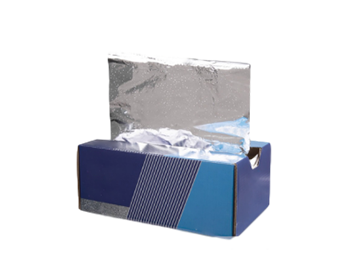
The 440mm x 70m specification is usually supplied in a strong cardboard dispenser box. This box allows kitchen staff to easily pull and cut foil using an integrated cutting edge.
Manufacturers may also provide several packaging variations depending on distributor requirements.
Typical options include:
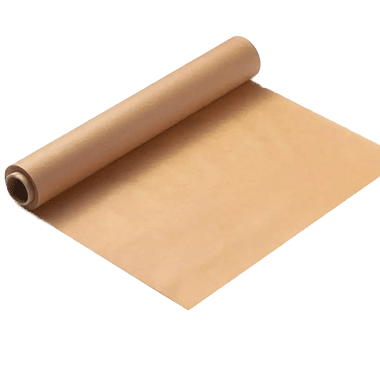
- Plain kraft box packaging
- Printed retail packaging for catering supply stores
- Private label branding for distributors
- Bulk carton packaging for wholesale distribution
For distributors building their own product lines, private label packaging is often the preferred option.
Common Catering Foil Sizes in Europe
Although 440mm x 70m is a common specification, it is only one of several sizes used within the European catering supply market.
Other frequently used widths include:
Often used for smaller kitchen tasks or household applications.
Popular in retail packaging and smaller food service businesses.
Widely used for heavy duty catering operations.
These different sizes allow distributors to supply a complete range of aluminum foil products to their customers.
Among them, the 440mm width remains a practical intermediate size that suits many catering environments.
How Catering Distributors Source Aluminum Foil Rolls
Catering supply distributors usually source aluminum foil rolls directly from specialized manufacturers or export suppliers.
When selecting a supplier, distributors typically evaluate several important factors.
Product quality is a key consideration. The foil must have consistent thickness, reliable strength, and stable performance under heat.
Production capacity is also important. A reliable manufacturer must be able to supply large volumes while maintaining consistent quality.
Packaging flexibility is another advantage. Distributors often require customized packaging for their private label brands.
Other factors include:
- Stable raw material supply
- Competitive pricing for bulk orders
- Experience in export logistics
- Compliance with international food safety standards
By working with an experienced aluminum foil manufacturer, distributors can ensure a steady supply of catering foil products for their markets.
Choosing a Reliable Heavy Duty Foil Manufacturer
Selecting the right aluminum foil manufacturer is essential for distributors and importers in the catering supply industry.
A professional manufacturer should provide:
- Consistent foil thickness and strength
- Modern production equipment
- Strict quality control systems
- Export experience for international markets
Manufacturers with experience in catering packaging products are often better able to understand the requirements of restaurant supply distributors.
They can also provide flexible solutions for customized roll sizes, packaging designs, and private label branding.
Conclusion
Heavy duty foil 440mm x 70m is a practical and widely used specification within the European catering supply market. Its wide coverage, durable thickness, and convenient roll length make it suitable for professional kitchens, restaurants, and catering operations.
For distributors and food service suppliers, sourcing high-quality aluminum foil from reliable manufacturers ensures consistent performance and long-term supply stability.
As the global food service industry continues to grow, demand for professional-grade catering foil products will remain strong. Suppliers who understand the needs of the catering market will be well positioned to serve distributors and restaurant supply chains worldwide.