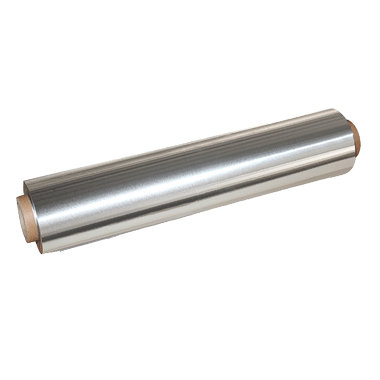
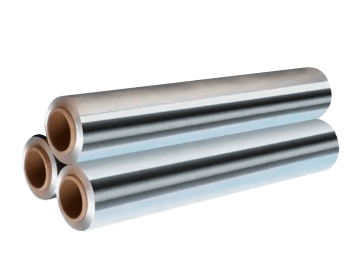
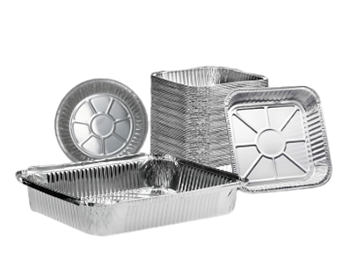
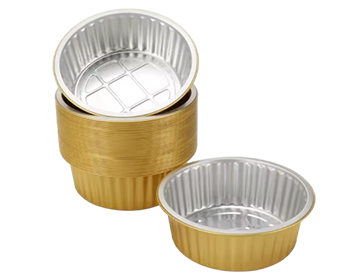
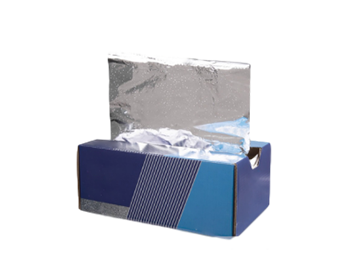
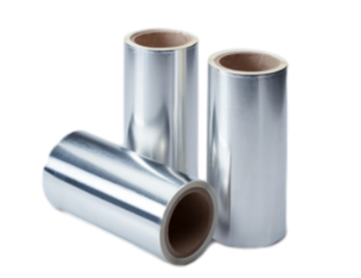
Household aluminum foil is widely used across retail markets as well as food service and catering supply chains.
Because aluminum foil pricing is closely linked to aluminum ingot prices, many buyers assume that sourcing foil products is relatively straightforward and transparent.
However, in real sourcing practice, overseas importers and distributors often face unexpected quality issues, specification discrepancies, and delivery risks — even when quotations appear competitive at first glance.
For many buyers, these issues only become clear after goods arrive, when time, cost, and market opportunities have already been affected.
Based on our experience working with international buyers, the risks involved in aluminum foil sourcing extend far beyond price fluctuations.
They are more often the result of unclear specifications, material choices, and insufficient quality control throughout the supply chain.
Below are 10 common risks buyers may encounter when sourcing
household aluminum foil products — and practical considerations on how to avoid them.
Risk 1: Unrealistically Low Prices After Quotation
One of the most common risks in aluminum foil sourcing is an unrealistically low quotation that appears significantly below the market level.
In many cases, such prices are offered to secure orders quickly.
Once a buyer pays a deposit or confirms the order, additional charges are introduced, or the supplier claims that the original quotation was based on incorrect assumptions.
For buyers, this can lead to several outcomes:
- Sudden price increases after order confirmation
- Pressure to pay additional deposits
- Difficulty recovering paid deposits if the order is canceled
In practice, a quotation that does not align with current aluminum prices, defined specifications, and reasonable production costs often signals potential issues later in the transaction.
A stable supplier should be able to explain pricing clearly based on material grade, thickness tolerance, length, and production process.
Risk 2: Incorrect Thickness, Length, or Weight
Specification discrepancies are another major sourcing risk, particularly for household aluminum foil rolls, sheets, and containers.
Common issues include:
- Foil rolls with a shorter actual length than declared
- Thickness reduced by 1–2 microns, which is difficult to detect visually
- Aluminum foil containers with insufficient unit weight
While these differences may seem minor, even a 1–2 micron reduction in thickness can significantly affect material usage and performance over large volumes.
Without a clearly defined thickness tolerance, small deviations can easily occur without being considered non-compliant.
Because aluminum foil thickness and length are difficult to verify visually, buyers often discover these issues only after unpacking or during market use.
Clear written specifications, defined tolerance ranges, and sample verification are essential to reduce this risk.
Risk 3: Use of Recycled or Non-Food-Grade Aluminum Material
Material quality plays a critical role in household aluminum foil products, especially when they are used in food contact applications across retail and food service supply chains.
In order to reduce costs, some suppliers use recycled aluminum scrap or non-food-grade material in production.
While such materials may look similar on the surface, they often result in:
- Inconsistent mechanical performance
- Higher risk of pinholes or tearing
- Potential failure in food safety or laboratory testing
Another risk arises when rejected or substandard aluminum foil from other industrial applications is redirected into household foil production.
Without proper controls, this practice may compromise product consistency and compliance in destination markets, increasing the likelihood of failed inspections, customer claims, or restricted market access.
For importers and distributors, material transparency and
regular third-party testing reports are critical factors in managing this risk.
Risk 4: Aged Inventory and Long-Term Stored Materials
Another sourcing risk that is often overlooked is the use of aged inventory or long-term stored materials.
Some suppliers operate with limited production volume and rely on aluminum foil stock that has been stored for extended periods.
While the foil may still appear acceptable, prolonged storage can increase the risk of:
- Oxidation or surface inconsistency
- Reduced flexibility and tear resistance
- Higher probability of pinholes
These issues may not be immediately visible during inspection but can affect performance during actual use.
Stable production planning and controlled inventory turnover are important factors in ensuring consistent quality.
Risk 5: Mixed-Quality Shipments
Mixed-quality shipments are a common issue in price-driven sourcing environments.
In such cases, suppliers may use a small portion of qualified products as samples or references, while mixing in goods that do not meet the same standards in the bulk shipment.
This practice is difficult to detect before delivery and can lead to:
- Customer complaints in downstream markets
- Increased claims or returns
- Damage to brand or distributor reputation
Clear batch control and consistent production standards are essential to prevent this type of risk.
Risk 6: Incomplete or Short Shipments
Another risk involves incomplete deliveries, where the shipped quantity does not match the confirmed order.
This may occur due to:
- Incorrect carton counts
- Intentional under-shipment
- Poor loading supervision
Once goods arrive at destination ports, resolving such discrepancies can be time-consuming and costly.
Accurate packing lists, loading verification, and transparent shipment documentation help reduce this risk.
Risk 7: Unreliable Delivery Commitments
Household aluminum foil products are often customized in terms of size, thickness, and packaging.
As a result, production schedules play a critical role in timely delivery.
Some suppliers confirm orders without sufficient production capacity or raw material planning, leading to repeated delays.
For importers and distributors, delayed delivery can mean:
- Missed retail or food service selling seasons
- Increased inventory pressure
- Disruption of downstream supply chains
Reliable suppliers should provide realistic lead times and maintain clear communication throughout production.
Risk 8: Incomplete Specification Confirmation
Many sourcing issues originate not from production, but from incomplete specification confirmation at the quotation stage.
Key details such as thickness tolerance, roll length, alloy, temper, and packaging requirements must be clearly defined in writing.
Ambiguous or assumed specifications increase the likelihood of disputes once goods are delivered.
Buyers who prioritize detailed specification confirmation significantly reduce sourcing risks in aluminum foil procurement.
Many sourcing disputes originate not from production itself, but from incomplete specification confirmation at the quotation stage.
In aluminum foil sourcing, assumptions are one of the most underestimated risks.
Risk 9: Lack of Testing and Documentation
For aluminum foil used in food-related applications, testing and documentation are increasingly important.
Without proper laboratory reports or compliance documentation, buyers may face challenges such as:
- Failed inspections in destination markets
- Delays in customs clearance
- Limited ability to address customer quality claims
Regular third-party testing and traceable quality records help ensure consistency and regulatory compliance.
Without proper laboratory reports or compliance documentation, buyers may face failed inspections, delayed customs clearance, or limited ability to resolve downstream quality claims.
Risk 10: Working with Inexperienced Export Suppliers
Supplier selection itself represents a critical sourcing risk.
Suppliers without sufficient export experience may lack an understanding of:
- Market-specific requirements
- Packaging and labeling expectations
- Documentation standards for international shipments
Experience in overseas markets enables suppliers to anticipate potential issues and support buyers more effectively throughout the sourcing process.
Why Supplier Experience Matters in Risk Control
In aluminum foil sourcing, supplier experience plays an important role in risk control.
Suppliers who work regularly with overseas importers and distributors are generally more familiar with specification-driven production, documentation requirements, and quality consistency expectations across different markets.
From material selection to packaging and shipment preparation, experience helps identify potential issues earlier and reduces unnecessary sourcing risks for buyers.
A transparent quotation process, clear specification confirmation, and regular quality verification are often the result of long-term cooperation with international customers rather than short-term price competition.
Conclusion
In household aluminum foil sourcing, low prices are rarely the only consideration — and often not the most important one.
The most common sourcing risks stem from unclear specifications, material choices, inconsistent quality control, and unreliable delivery commitments.
By focusing on transparency, documentation, and supplier experience, buyers can significantly reduce long-term procurement risks.
In the long term, transparent sourcing practices often prove more cost-effective than short-term price advantages, especially for importers and distributors serving retail and food service supply chains.