If you have ever sourced baking paper from overseas, you probably already know that the biggest challenge is not finding suppliers; it is choosing the right one.
On platforms like Alibaba or Google, dozens of manufacturers may look similar at first glance. Prices can vary, specifications sound almost identical, and almost every supplier claims to offer “high quality.” But once you start placing orders, the differences become very real: inconsistent coating, unstable delivery, or products that simply do not meet your market’s standards.
That is why choosing a baking paper manufacturer should never be based on price alone. For importers and distributors, the goal is to find a supplier that can support your business consistently, not just complete a single transaction.
Before discussing price or customization, always confirm whether the product meets your market’s food safety requirements.
For most international buyers, this means checking certifications such as FDA, LFGB, or FSC. These are not just formalities—they directly affect whether your goods can clear customs and enter retail channels.
A reliable supplier will provide test reports without hesitation and will already understand the compliance standards required in your target market.
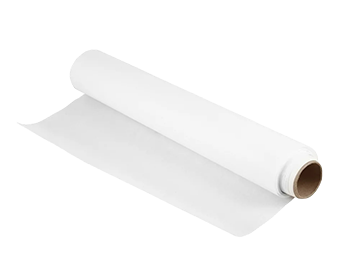
Unlike aluminum foil, baking paper is usually specified in GSM (grams per square meter).
In real sourcing situations, most buyers choose between 40–45 gsm for standard use. Lower GSM may reduce cost, but it can also affect strength and performance during baking. Higher GSM provides better durability, especially for commercial kitchens or repeated use.
It is always a good idea to request samples at different GSM levels before making a final decision.
One of the most common issues in baking paper is not the base paper, but the coating.
A good silicone coating ensures easy release, prevents sticking, and performs well under high temperatures (typically up to 220–230°C). Poor coating, on the other hand, can lead to sticking and customer complaints very quickly.
When evaluating a supplier, ask specific questions: Is the paper single-sided or double-sided coated? Is it suitable for high-temperature baking? Has it been tested in real use scenarios?
These details matter far more than a small price difference.
If you are building your own brand or supplying to distributors, customization is often where real value comes from.
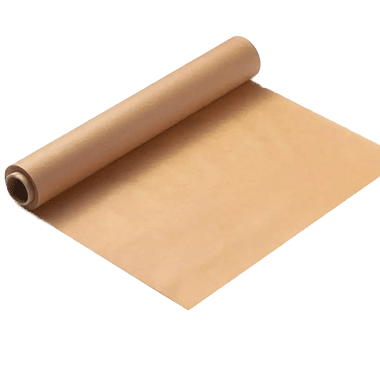
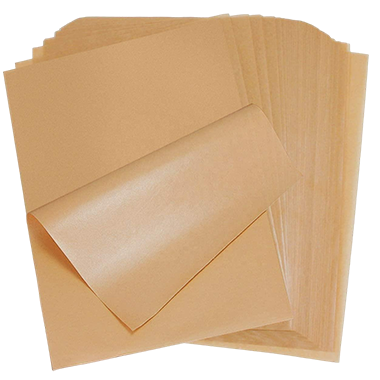
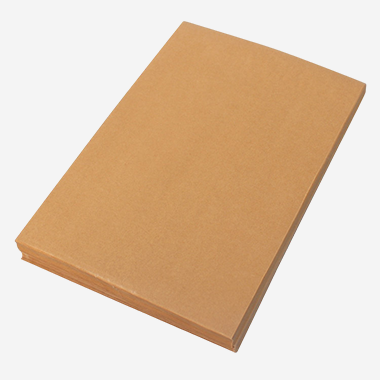
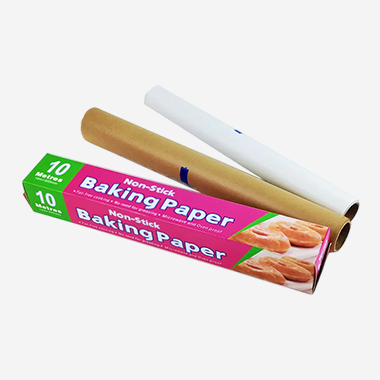
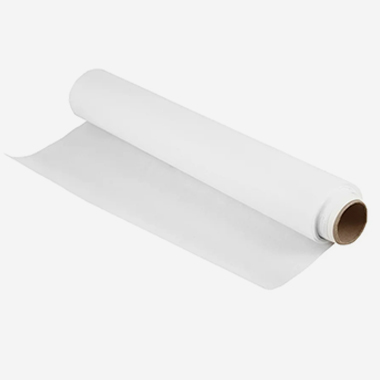
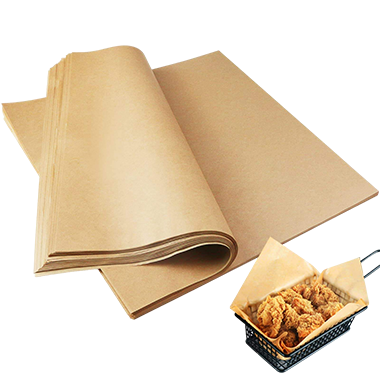
A capable baking paper manufacturer should support custom roll widths and lengths, sheet sizes, private label packaging, and retail-ready boxes.
In many cases, buyers who focus only on the lowest price end up with generic products that are difficult to differentiate. Suppliers with strong OEM capability help you build a more competitive product line.
Minimum order quantity is one of the most practical factors in decision-making.
Some large factories offer better pricing but require full container orders. Others are more flexible and allow smaller trial orders, which is useful when testing a new market.
It is always better to clarify MOQ, packaging details, and loading plans early, rather than adjusting later.
Stability is often more important than cost.
Ask about monthly production capacity and standard lead times before placing an order. In most cases, the production cycle is around 3–4 weeks, depending on the season and order size.
Reliable suppliers will provide realistic timelines and communicate clearly if anything changes.
Not all manufacturers are equally experienced in export.
Suppliers who regularly work with international clients are more familiar with documentation, packaging requirements, and shipping processes. They also tend to respond faster when issues arise.
This experience can save you time, reduce risk, and make the entire process smoother.
In the baking paper industry, long-term cooperation is often more valuable than short-term savings.
A reliable manufacturer should grow with your business, maintain consistent quality, and adapt to your customization needs over time.
For example, some suppliers in China, such as Eming, focus on supporting wholesale buyers with stable production, OEM solutions, and flexible cooperation models.
Choosing a baking paper manufacturer is about balancing quality, compliance, customization, and reliability.
By taking time to evaluate suppliers carefully and testing before scaling, you can build a supply chain that supports long-term growth rather than creating unnecessary risk.
What GSM is best for baking paper?
For most applications, 40–45 gsm offers a good balance between cost and performance.
Can baking paper be customized with my brand?
Yes. Most manufacturers support OEM services, including custom sizes, packaging, and private labeling.
What is a typical lead time?
Usually 3–4 weeks, depending on order size and production schedule.
How can I reduce risk when choosing a supplier?
Start with samples or a trial order, and evaluate both product quality and communication before scaling up.
If you are sourcing baking paper for wholesale or private label, it may be worth discussing your requirements with an experienced manufacturer.
Eming supports customized sizes, OEM packaging, and stable bulk supply for international buyers.
Email: inquiry@emingfoil.com
Website: www.emfoilpaper.com
WhatsApp: +86 17729770866
.png)