In recent communications with many aluminum foil buyers, I've found that many novice buyers lack a clear understanding of how to purchase aluminum foil rolls.
This leads to inaccuracies in grasping specifications, costs, and delivery times, impacting the procurement process and ultimately, profits. Therefore, based on my recent experiences, I've written this article.
Here are 5 tips to help procurement personnel avoid unnecessary costs, reduce losses, and ensure a stable supply.
1. Specify the Exact Aluminum Foil Roll Dimensions
The length, width, and thickness of aluminum foil rolls are key factors influencing pricing and procurement value.
Before placing an order for aluminum foil rolls, buyers should clearly understand the key specifications that determine product performance, cost, and suitability for different applications. Choosing the correct thickness, width, and length can help avoid unnecessary waste and improve production efficiency.
1.1 Thickness (Microns)
Thickness is the core factor that affects durability, tensile strength, and heat resistance.
Aluminum foil rolls commonly range from 9 microns to 20 microns(max 25 microns), and the correct choice depends on the intended use:
- 9–10 microns: Suitable for lightweight household wrapping.
- 11–15 microns: Ideal for food service, restaurants, and take-away packaging.
- 16–20 microns: Used for heavy-duty applications, industrial packaging, and high-temperature cooking.
1.2 Width and Length
The width and length of the roll should match your application and equipment.
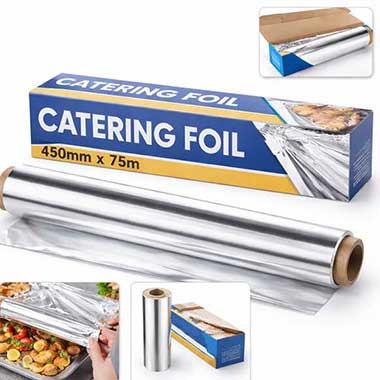
Common widths: 300 mm, 450 mm
Also, some markets have specific requirements, such as the 290mm common in the UK market.
Common lengths: 5 m to 300 m for retail, 100 m to 1000 m for catering and industrial use.
| Micron Thickness |
Durability |
Suitable Applications |
Recommended Width/Length |
| 9–10 microns |
Light-duty |
Home use, light wrapping |
300 mm × 5–20 m |
| 11–15microns |
Medium-duty |
Restaurants, catering, take-away packaging |
300/450 mm × 50–300 m |
| 16–20 microns |
Heavy-duty |
Industrial packaging, high-temperature cooking, and commercial kitchens |
450–600 mm × 100–1000 m |
For long rolls or industrial applications, a stronger core helps prevent deformation during transportation and usage.
You can also read this article for more details:
Why Aluminum Foil Rolls Don’t Have a Standard Price?
Why it matters: Some aluminium foil suppliers in the market offer rolls shorter than the labeled length to reduce costs and gain market share. This practice, while not recommended, exists and can affect cost calculations.
Recommendation for buyers: Conduct thorough market research and verify product specifications before placing orders. Understanding exact roll dimensions helps you avoid hidden cost increases and ensures consistent product quality for your customers.
2. Packaging Matters: It Directly Affects Safety, Freight Cost, and Product Stability
Packaging is one of the most important factors when purchasing aluminum foil rolls, especially for importers, distributors, supermarkets, and catering suppliers. Proper packaging helps reduce transportation damage, maintain roll shape, and ensure smooth usage for end customers.
Different packaging types not only affect the product’s appearance but also influence freight efficiency, storage safety, and overall cost. Choosing the correct packaging solution can significantly reduce unnecessary losses.
2.1 Inner Packaging Options
Common inner packaging includes:
Color boxes
Ideal for supermarkets and retail markets. Offers strong visual appeal and supports private-label customization.
White boxes / brown boxes
Suitable for wholesale, distributors, or buyers who prioritize cost efficiency over design.
Shrink-wrap packaging
Helps reduce material cost and allows more rolls per carton. Mainly used for catering and commercial kitchen supply.
With or without cutter/plastic blade
Retail users often require a metal or plastic cutter. Catering suppliers typically prefer rolls without cutters for safety and cost reasons.
2.2 With Holder vs. Without Holder
The presence of a holder (plastic or paper stand inside the box directly impacts the roll’s stability.
With holder
Prevents roll deformation and ensures smooth dispensing. Recommended for long rolls and retail markets.
Without holder
Lower cost, suitable for short rolls or shrink-wrapped packaging where stability requirements are lower.
2.3 Outer Carton Packaging
Outer carton quality determines whether the products can withstand long-distance sea freight.
Key factors to confirm:
- Carton strength (single wall / double wall)
- Stacking load
- Moisture resistance for sea shipment
- Number of rolls per carton and pallet layout
A well-designed outer carton reduces breakage and prevents shape deformation during transportation.
3. Procurement Planning: How to Avoid Delays and Extra Costs
A well-organized procurement plan helps buyers reduce unexpected expenses, avoid production interruptions, and secure a stable supply. Aluminum foil is a commodity product influenced by raw material prices and factory capacity, so planning ahead is essential.
3.1 Lead Time Considerations
Typical production lead time ranges from 30-40 days, depending on:
- Order quantity
- Custom packaging requirements
- Seasonal demand
- Raw material availability
For standard sizes, manufacturers with sufficient jumbo roll stock can offer faster delivery, sometimes within 10–15 days.
3.2 The Impact of Aluminum Price Fluctuation
Since aluminum is a widely traded global commodity:
- Prices may change weekly
- Larger orders benefit from locking raw material in advance
- Delays in confirming orders may lead to price adjustments
Buyers should confirm the validity period of quotations to avoid unexpected cost increases.
3.3 MOQ and Unit Cost
MOQ (minimum order quantity) influences production efficiency and per-unit pricing.
Higher volumes reduce packaging and labor costs per roll
For custom boxes or labels, the MOQ is typically higher
Distributors and supermarkets should consider consolidating purchase plans to achieve better pricing.
3.4 Common Issues Leading to Extra Costs
Last-minute urgent orders resulting in expensive shipping options
Inadequate packaging leading to transportation damage
Incorrect specifications are causing a mismatch with dispensers or machinery
Underestimating seasonal demand (especially before holidays)
Planning at least 1–2 months helps avoid most of the above issues.
4. How to Choose a Reliable Aluminum Foil Roll Supplier
Selecting the right supplier is crucial to ensure stable product quality, on-time delivery, and a long-term partnership. When evaluating manufacturers, buyers should consider the following key factors:
4.1 Production Capability
A reliable supplier should have:
- Independent production lines for aluminum foil rolls
- Ability to supply both household foil and catering foil
- Stable monthly output
- Long-term raw material partners for consistent quality
This ensures they can support both small trial orders and large-volume shipments.
4.2 Quality Control Standards
Check whether the supplier provides:
- ISO, SGS, FDA, or other food-contact certifications
- Strict testing procedures (thickness, tensile strength, pinhole test)
- Complete traceability from jumbo roll to finished roll
A strong quality system reduces customer complaints and returns.
4.3 Packaging and Customization Ability
Confirm whether the manufacturer can offer:
- Custom logo printing
- Private label color boxes
- Custom sizes based on local market preferences
- Retail-ready packaging for supermarkets
Strong customization ability is essential for brand owners and distributors.
4.4 Export Experience
Experienced exporters can:
- Provide suitable packing for sea transportation
- Assist with documentation (CO, invoice, packing list)
- Help with pallet design and container loading plans
This is essential for ensuring shipping safety and avoiding customs delays.
4.5 Customer Service and Response Speed
A good supplier should:
- Reply quickly
- Provide accurate technical information
- Offer solutions based on real cases
Smooth communication reduces misunderstandings and improves efficiency.
5. Why Choose Eming Aluminum
Eming Aluminum is a professional manufacturer of aluminum foil rolls and food packaging products with over 10 years of production and export experience. Our products are widely supplied to supermarkets, distributors, restaurants, and food packaging companies worldwide.
5.1 Strong Production Capacity
Independent production workshops for household foil and catering foil
Stable monthly output to support long-term and large-volume orders
Regular stock of jumbo rolls to shorten lead time
5.2 Comprehensive Product Range
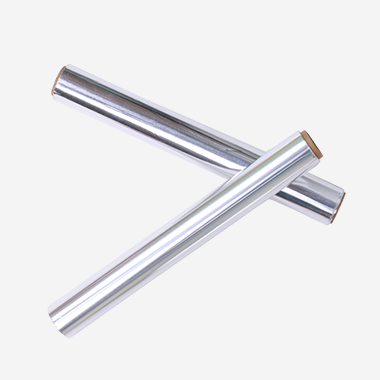
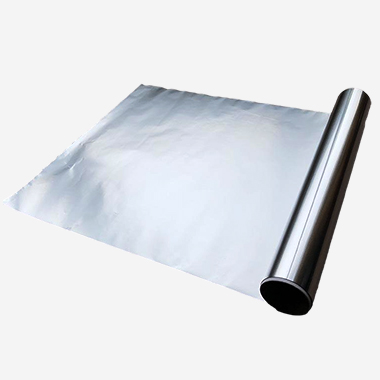
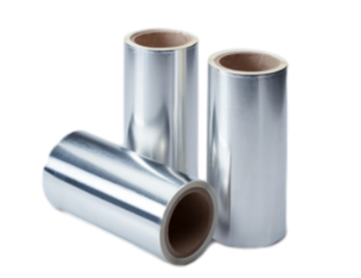
Household aluminum foil rolls
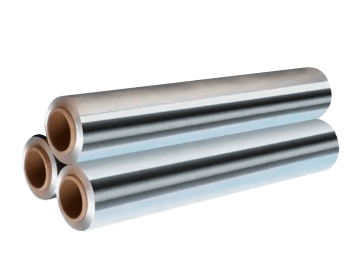
Catering foil rolls
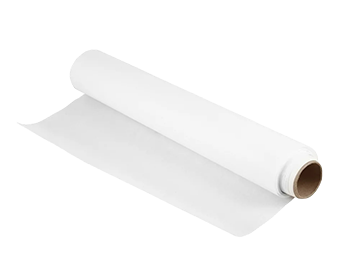
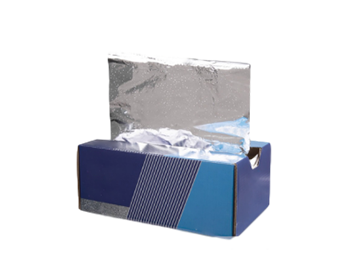
Pre-cut sheets and pop-up foil sheets
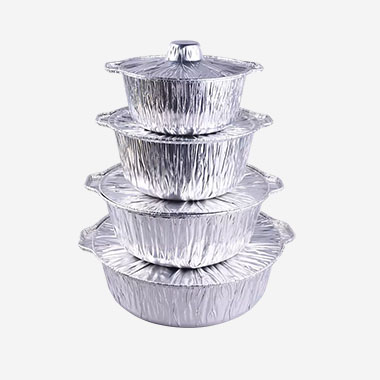
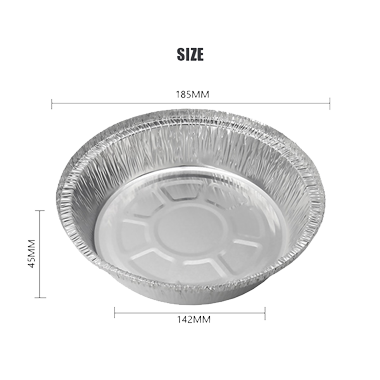
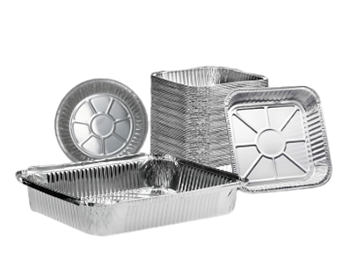
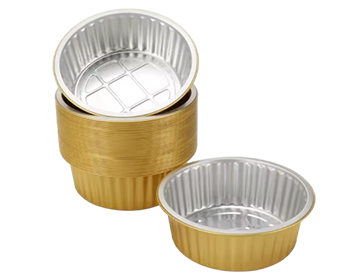
Aluminum foil containers
Custom packaging solutions
5.3 Reliable Quality Assurance
Food-grade materials
Certificates, including
FDA and SGS
Full quality inspection before shipment
Export packaging suitable for long-distance sea freight
5.4 Flexible Customization
Private-label color boxes
Custom sizes, thickness, and roll lengths
Brand packaging for supermarkets
OEM/ODM support
5.5 Professional Export Experience
Exporting to 60+ countries
Experienced in handling documentation and shipment arrangements
Safe pallet loading design for each container
5.6 Contact Us
For samples or a quotation, please contact:
Email: inquiry@emingfoil.com
WhatsApp: +86 17729770866
Website: www.emfoilpaper.com