As food packaging regulations become stricter, buyers are paying more attention to the materials and coatings used in food-contact packaging. In the European Union, the Packaging and Packaging Waste Regulation (PPWR) began applying on August 12, 2026, including restrictions on PFAS in food-contact packaging.
For importers, distributors, food manufacturers and retailers, this means that checking only the basic material of a packaging product is no longer enough. Buyers should also understand whether coatings, grease-resistant treatments, lids or other components contain restricted substances.
For aluminum foil containers, baking paper and related food packaging, supplier documentation and material compliance are becoming increasingly important.
PFAS stands for per- and polyfluoroalkyl substances, a large group of synthetic chemicals known for their resistance to grease, oil, water and heat.
Because of these properties, PFAS have historically been used in certain food packaging applications, particularly where strong grease and moisture resistance is required.
The European Commission has identified food-contact packaging as one of the areas affected by the new PFAS restrictions under the PPWR. Packaging containing PFAS above the applicable limits can no longer be placed on the EU market from the date the relevant requirements apply.
For packaging buyers, the important question is therefore not simply whether a product is made from aluminum, paper or another material. The entire food-contact packaging system needs to be considered.
No.
The PFAS restriction should not be interpreted as a ban on aluminum foil containers.
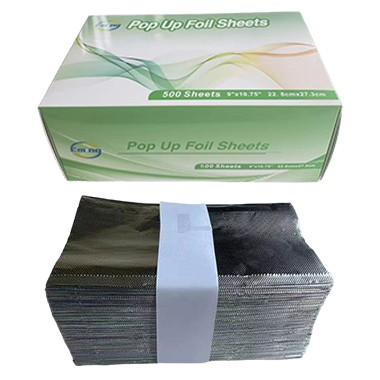
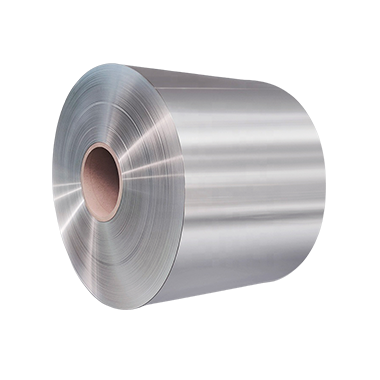
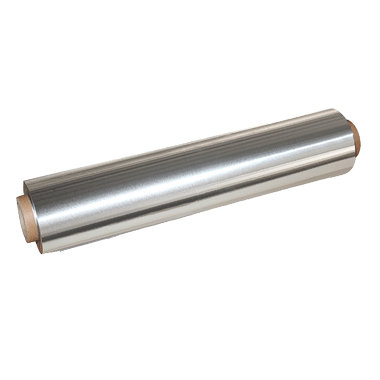
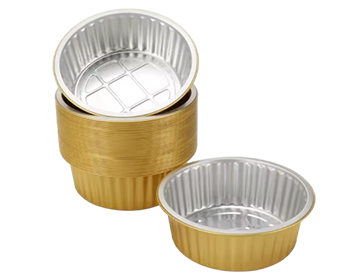
Aluminum foil itself provides excellent barrier performance against light, oxygen, moisture and grease, which is one reason aluminum foil containers are widely used for baking, takeaway food, catering, food preparation and other applications.
The more important issue is whether any coating, treatment, adhesive, lid or other food-contact component used in the packaging contains restricted PFAS substances.
This distinction is particularly important when comparing different packaging products. Two products may both be described as "food-grade," but their coatings or additional components may be different.
For buyers, it is therefore better to evaluate the complete product specification rather than relying only on a general "food-grade" claim.
When sourcing food packaging for the European market, buyers should consider asking suppliers for several types of information.
Ask the supplier to clearly identify the material used for the food-contact component.
For aluminum foil containers, this may include information such as:
Aluminum alloy
Foil thickness
Temper
Container dimensions
Surface treatment
Coating or lacquer, if applicable
For baking paper, buyers should also ask about the paper base, coating system and grease-resistant treatment.
Clear specifications make it easier to evaluate whether the product is suitable for the intended market.
Aluminum foil packaging may contain additional coatings or treatments depending on the product and application.
If a product is coated, buyers should ask:
What type of coating is used?
Is the coating intended for direct food contact?
Is the coating PFAS-free?
Is supporting test documentation available?
Which regulations or standards does the coating comply with?
This is especially important for products designed for demanding applications such as baking, roasting, food processing or long-term food contact.
A supplier should be able to provide appropriate documentation for the target market.
Depending on the product and destination, buyers may need documentation related to:
EU food-contact requirements
FDA requirements
Migration testing
PFAS testing or declarations
Material composition
Third-party laboratory testing
The exact documentation required depends on the product, materials, intended use and destination market.
A good supplier should be able to explain which documents apply to the specific product instead of providing a generic certificate that does not clearly identify the product being purchased.
Another common mistake is checking only the main container.
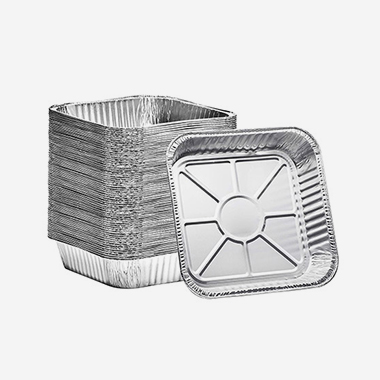
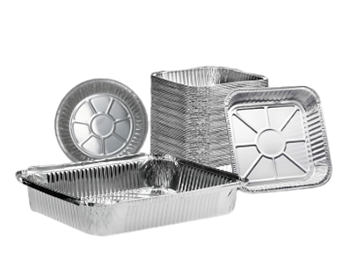
For example, an aluminum foil food container may be supplied together with:
Aluminum foil lids
Paper lids
Plastic lids
Heat-sealing films
Printed labels
Adhesives
Coatings
The compliance of the finished packaging therefore depends on more than the aluminum container itself.
Buyers should identify which components come into direct or indirect contact with food and request the relevant compliance information for those components.
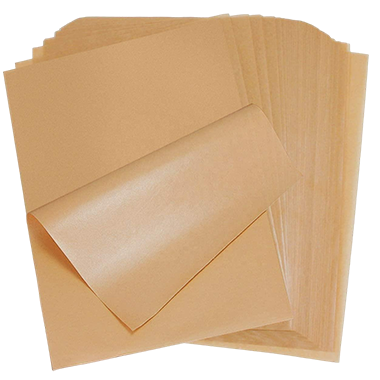
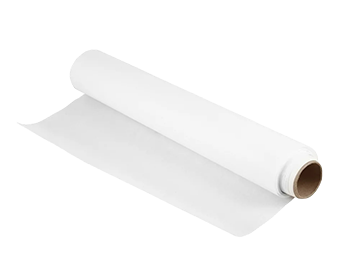
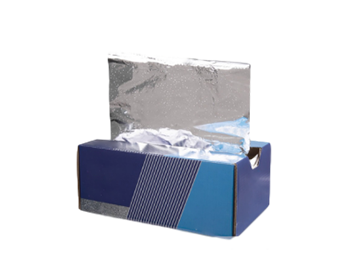
Baking paper is another product category where PFAS discussions are particularly relevant.
Grease resistance is an important performance requirement for baking paper, so buyers should pay attention to the technology used to achieve the required release and grease-resistant properties.
For buyers supplying supermarkets, bakeries, food manufacturers or retail customers in Europe, it is increasingly important to ask suppliers whether their baking paper uses PFAS substances and whether appropriate compliance documentation is available.
Instead of simply asking for "food-grade baking paper," a more useful purchasing specification could include:
Paper grade + GSM + coating type + temperature resistance + food-contact compliance + PFAS status + test documentation.
This creates a much clearer specification for supplier comparison.
The best approach is to include regulatory requirements directly in the purchasing specification.
Before placing a large order, buyers can use the following checklist:
Product specification
Material and alloy
Thickness or GSM
Dimensions
Coating and treatment
Intended food-contact application
Compliance
Food-contact declaration
Migration test report where applicable
PFAS declaration or test report where relevant
EU or FDA compliance documentation according to the target market
Supplier management
Product-specific documentation
Batch or lot traceability
Consistent raw material specifications
Notification of changes to materials or coatings
This approach is more reliable than checking certificates only after the goods have arrived.
The new regulatory environment does not mean that buyers need to move away from aluminum foil packaging.
Instead, it means that packaging procurement is becoming more specification-driven.
Aluminum foil containers continue to offer several practical advantages for food packaging, including heat resistance, strong barrier properties, convenient forming and established recycling pathways.
At the same time, buyers increasingly need to evaluate the complete packaging system, including materials, coatings, lids, documentation and intended use.
For suppliers and manufacturers, being able to provide clear product specifications and supporting compliance documentation is becoming an important part of the purchasing decision.
Before sourcing aluminum foil containers, baking paper or other food-contact packaging for the EU market, ask your supplier:
What materials are used in the product?
Does the product contain any coating or surface treatment?
Are any PFAS substances intentionally used?
Can you provide product-specific food-contact documentation?
Are migration tests available where applicable?
Does the packaging meet the requirements of the target market?
Are all components, including lids and coatings, covered by the documentation?
Can the supplier maintain consistent specifications between batches?
A supplier that can answer these questions clearly can help reduce compliance risks and make international procurement more predictable.
For importers and distributors, regulatory compliance should therefore be considered at the beginning of the sourcing process—not after production has already started.
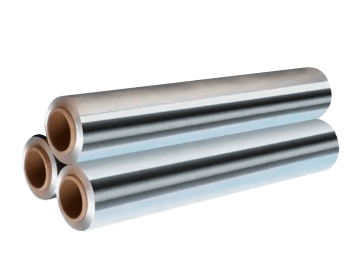
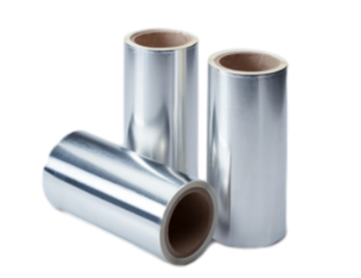
If you are sourcing aluminum foil containers, baking paper, foil rolls or customized food packaging for the European market, discuss your required specifications and compliance requirements with your supplier before placing an order.
PPWR 2026: What the PFAS Ban Means for Baking Paper Suppliers