In the aluminum foil container business, very similar tray designs are often sold under different model numbers in different markets. This is especially common in several African food packaging markets, where buyers and distributors usually use familiar local references instead of unified international specifications.
During communication with importers and wholesalers, buyers often request products using commonly circulated references such as 8342, 8389, or other locally recognized tray codes. In many cases, these references have already become part of the market’s daily purchasing language.
Interestingly, some containers with very similar shapes and capacities may still appear under different numbering systems depending on the supplier or regional market background.
Many foil container models have circulated in wholesale markets for years through local distributors and importers. Over time, buyers become familiar with certain model references, and those codes continue to be used even when products come from different factories.
For many wholesalers, the model number is no longer connected to one specific manufacturer. Instead, it becomes a practical way to identify a tray style already accepted in the local market.
Different factories may use their own internal numbering systems for similar foil containers.
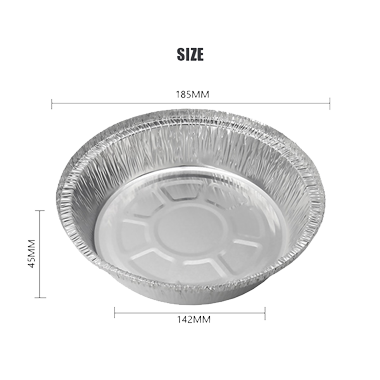
Although the model numbers may differ, the actual tray dimensions and applications are often very close. This is quite common in export business when distributors source from multiple suppliers.
In practical wholesale business, buyers often focus more on compatibility than on the exact model code itself.
Because of this, many widely circulated foil tray models remain popular in local markets for many years.
Compared with highly standardized retail systems, many African wholesale packaging markets still rely heavily on long-term distributor habits and familiar market references.
As a result, similar tray styles continue circulating across different suppliers while the numbering systems gradually evolve over time.
For exporters and manufacturers, understanding these local purchasing habits is often more important than focusing only on technical specifications and exact dimensions.
.png)