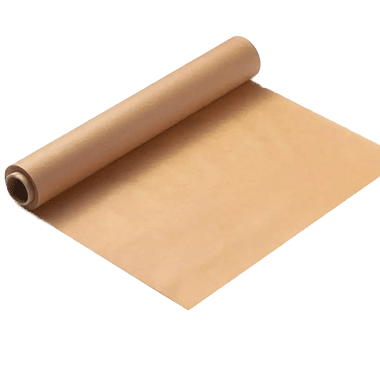
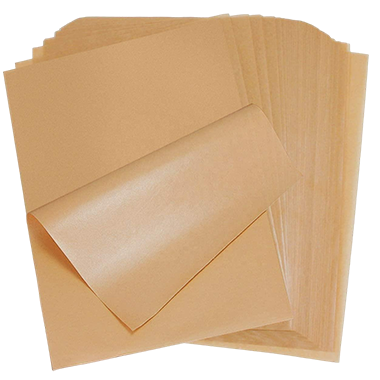
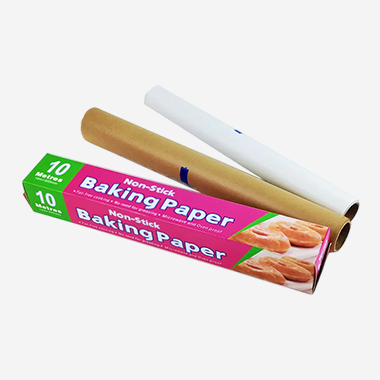
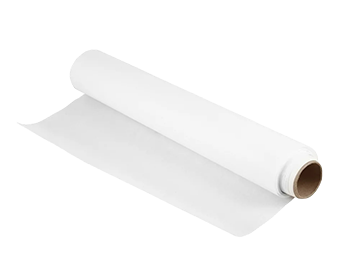
Baking paper, also known as parchment paper, is widely used in bakeries, restaurants, food factories, and home kitchens. Thanks to its non-stick surface, heat resistance, and grease resistance, baking paper helps improve baking efficiency while keeping food preparation clean and hygienic.
For food businesses, distributors, and wholesalers, choosing high-quality baking paper is essential. The right product can improve baking performance, reduce cleaning time, and ensure food safety standards are maintained.
However, not all baking paper products offer the same level of quality. Understanding the key factors behind baking paper performance can help buyers select the most suitable product for their business needs.
This guide explains how to evaluate the quality of baking paper and choose a reliable baking paper manufacturer.
Base Paper Quality
The base paper is the foundation of baking paper. High-quality baking paper is typically made from food-grade virgin wood pulp paper, which provides better strength, stability, and uniform thickness.
High-quality base paper offers several advantages:
- Strong resistance to tearing
- Stable structure under high baking temperatures
- Smooth and uniform surface for silicone coating
Low-quality base paper may wrinkle, burn easily, or break during use, which can affect baking results and reduce operational efficiency in commercial kitchens.
Silicone Coating Performance
Silicone coating is the key element that gives baking paper its non-stick properties. A professional baking paper manufacturer applies an even silicone coating on the surface of the paper.
High-quality silicone coating ensures:
- Excellent non-stick performance
- Easy food release after baking
- Reduced need for oil or butter
- Cleaner baking trays and molds
Some premium baking papers feature a double-sided silicone coating, allowing the paper to be used on both sides and improving overall cost efficiency for food businesses.
Heat Resistance
Baking paper must withstand high temperatures during baking. Most professional baking paper products can resist temperatures between 220°C and 230°C, making them suitable for a wide range of commercial baking applications.
Reliable baking paper suppliers provide clear specifications for heat resistance to ensure safe usage in:
- Bakery production lines
- Restaurant ovens
- Food processing factories
High heat resistance helps prevent burning, smoke generation, or paper damage during baking.
Grease Resistance
Grease resistance is another important quality indicator. Good baking paper prevents oil, butter, or sauces from penetrating through the paper during cooking.
Strong grease resistance helps:
- Keep baking trays clean
- Improve hygiene standards in kitchens
- Reduce cleaning time for commercial operations
For bakeries and food factories that handle large quantities of baked goods, grease-resistant baking paper can significantly improve production efficiency.
Thickness and Durability
Baking paper thickness is usually measured in
GSM (grams per square meter). Thicker paper generally offers better durability and tear resistance.
Common baking paper weights include:
- 36 GSM – suitable for light baking
- 38 GSM – widely used in commercial baking
- 40 GSM and above – stronger paper for industrial food production
Choosing the right thickness helps ensure the baking paper maintains its structure during high-temperature cooking and food handling.
Food Safety Certifications
Because baking paper comes into direct contact with food, it must meet strict food safety standards.
Professional baking paper manufacturers typically provide certifications such as:
- FDA compliance
- SGS certification
- Food-grade testing reports
These certifications help ensure that the baking paper is safe for food contact and suitable for international markets.
Common Applications of Baking Paper
High-quality baking paper is widely used across different sectors of the food industry due to its versatility and convenience has become an essential material for modern food preparation and food service operations.
Typical Baking Paper Specifications
Professional baking paper suppliers usually offer a variety of specifications to meet different customer requirements.
Typical product options include:
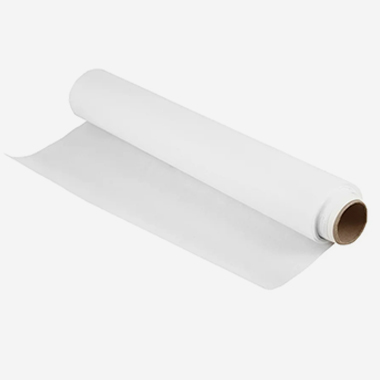
Baking Paper roll
Width:30cm/45cm
Length:10-100m
Weight:36, 38, 40 GSM
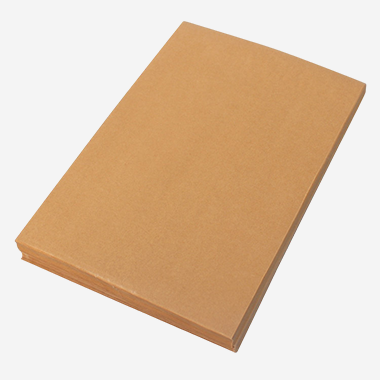
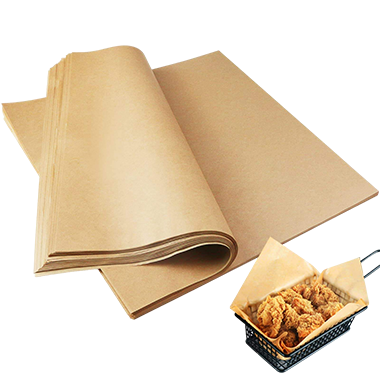
Baking paper sheet:
Size: 30*30cm, 40*60cm, 70*75cm
Weight:36, 38, 40 GSM
Color:
White and brown
Customization options:
- Custom sizes
- Private label packaging
- Printed logo
Flexible specifications allow distributors and food companies to choose products that match their specific market needs.
Choosing a Reliable Baking Paper Manufacturer
In addition to product quality, selecting a reliable baking paper supplier is equally important for long-term business cooperation.
An experienced baking paper manufacturer can provide:
- Stable product quality
- Professional quality control systems
- Flexible customization options
- Reliable international shipping
- Consistent production capacity
For distributors and food companies, working with a trusted manufacturer helps ensure a stable supply and consistent product performance.
Conclusion
High-quality baking paper plays an important role in baking, food processing, and food packaging. By evaluating factors such as base paper quality, silicone coating performance, heat resistance, grease resistance, thickness, and food safety certifications, buyers can make better purchasing decisions.
Partnering with a professional baking paper manufacturer also ensures long-term supply stability and reliable product quality for growing food businesses.
FAQ About Baking Paper
1、Can baking paper be reused?
Yes, high-quality baking paper can often be reused several times if it remains clean and undamaged. However, in commercial food production, many businesses prefer using fresh paper to maintain hygiene and consistent baking results.
2、What temperature can baking paper withstand?
Most professional baking paper products can withstand temperatures between 220°C and 230°C, which makes them suitable for ovens, bakery production lines, and commercial kitchens.
3、Is baking paper the same as parchment paper?
In many countries, baking paper and parchment paper refer to the same product. Both are silicone-coated papers designed to provide non-stick surfaces for baking and food preparation.
4、Can baking paper be used in an air fryer?
Yes, baking paper can be used in air fryers if it is heat-resistant and placed properly so that airflow inside the fryer is not blocked.
Related Articles:
Common Questions When Sourcing Baking Paper
Reliable Baking Paper Manufacturer for Global Buyers
Why Parchment Paper for Baking Is Essential for Baking in Food Service

.png)